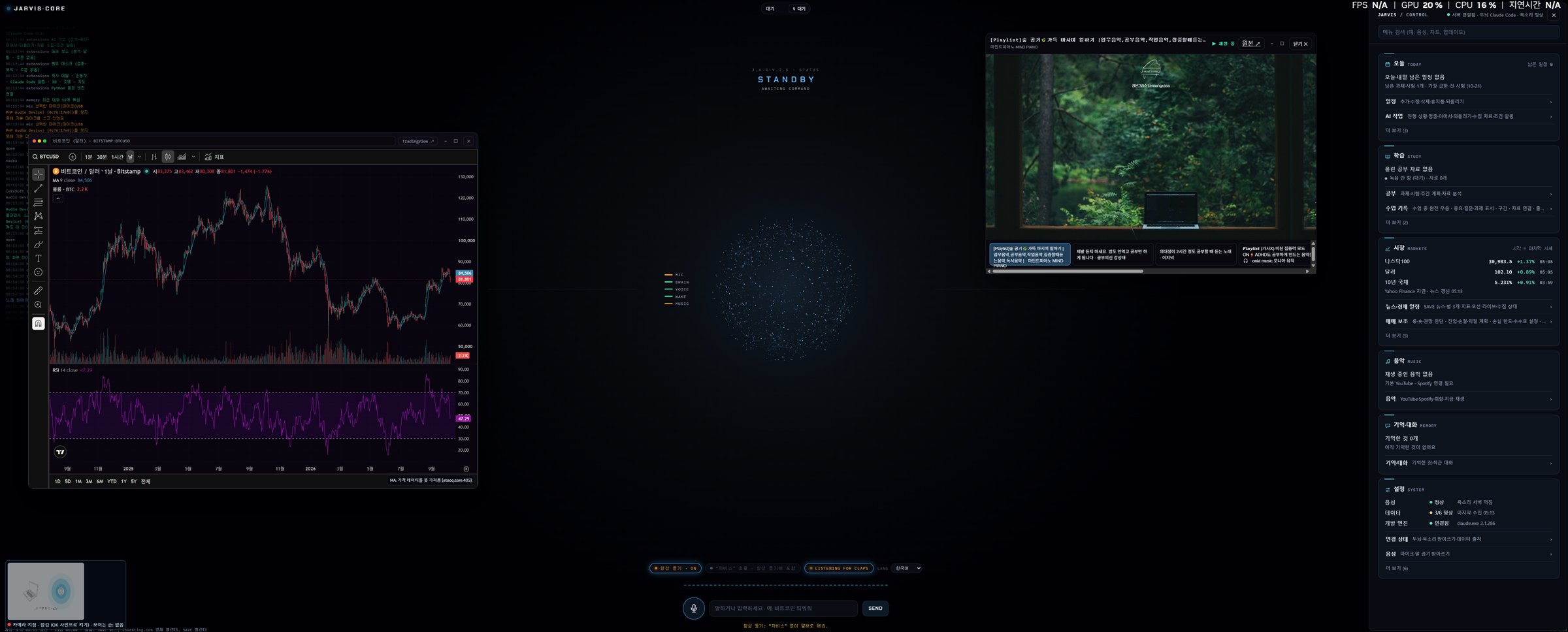
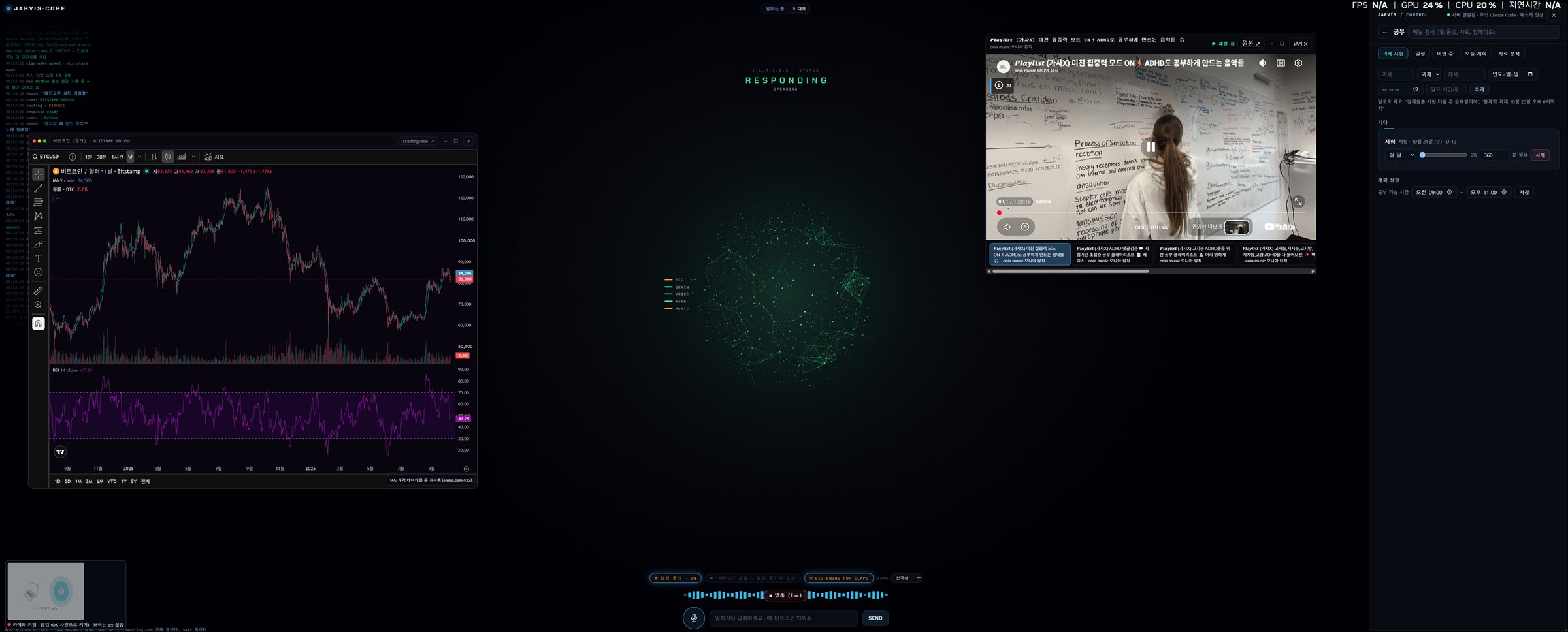
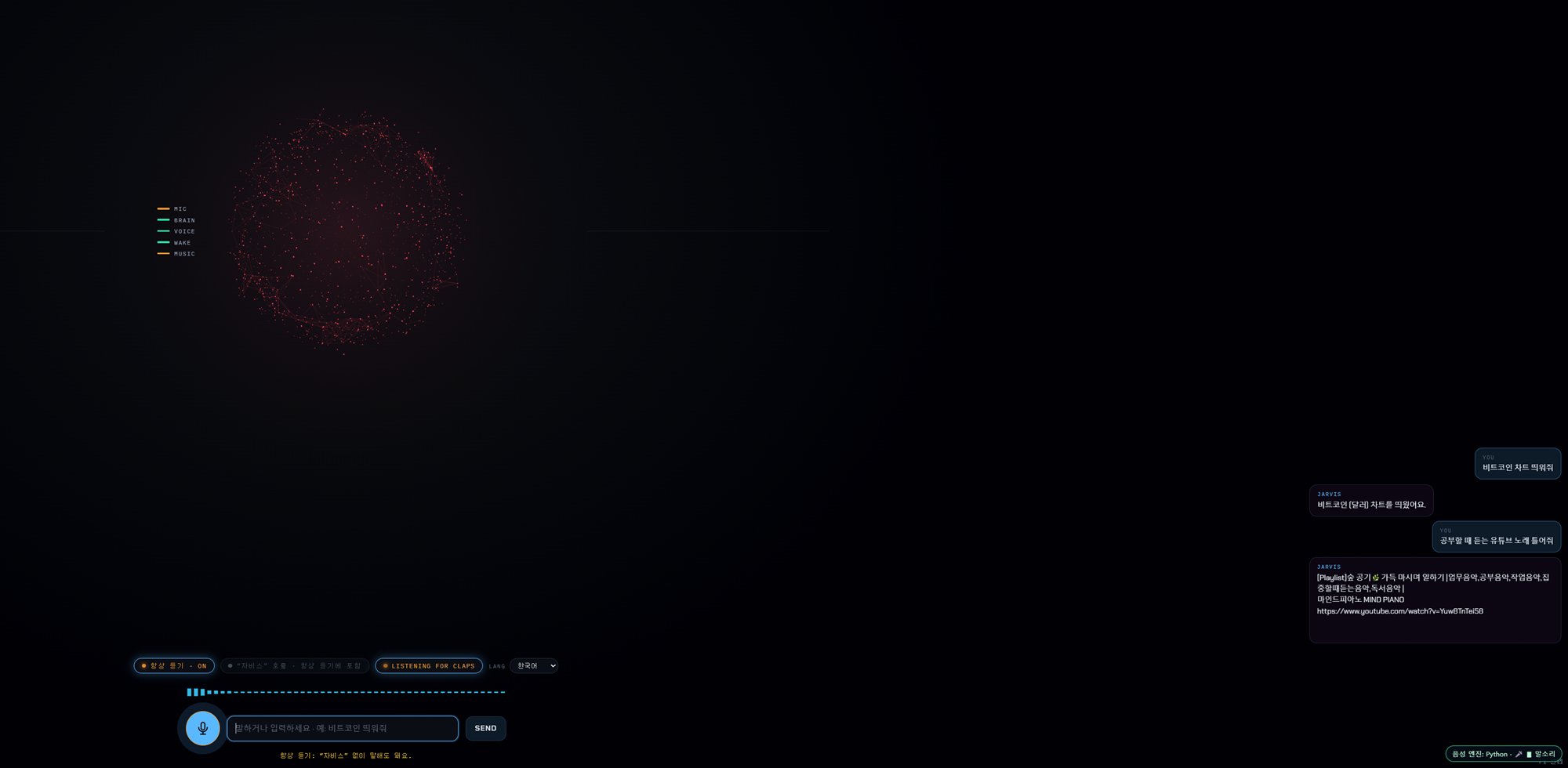
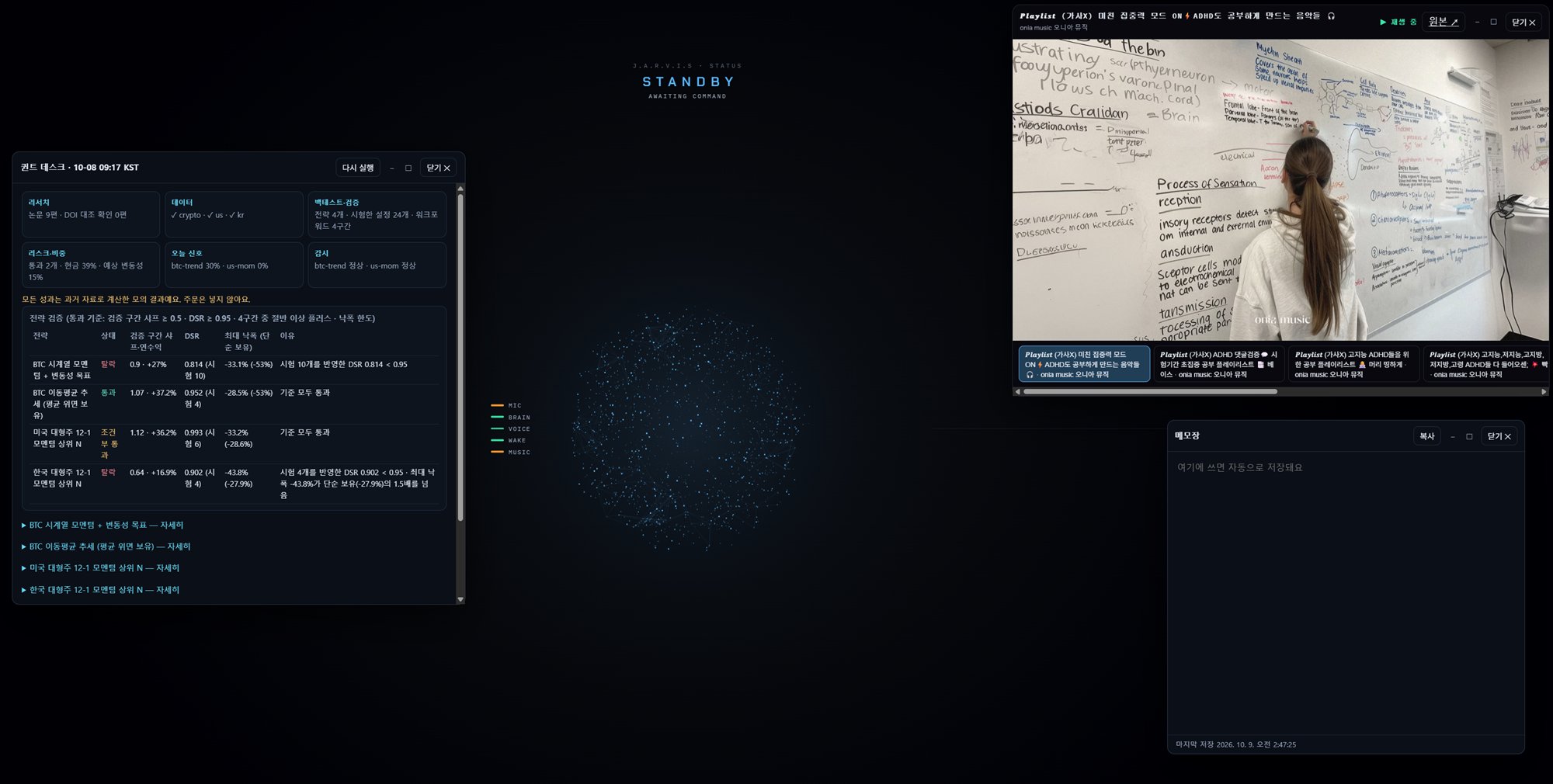
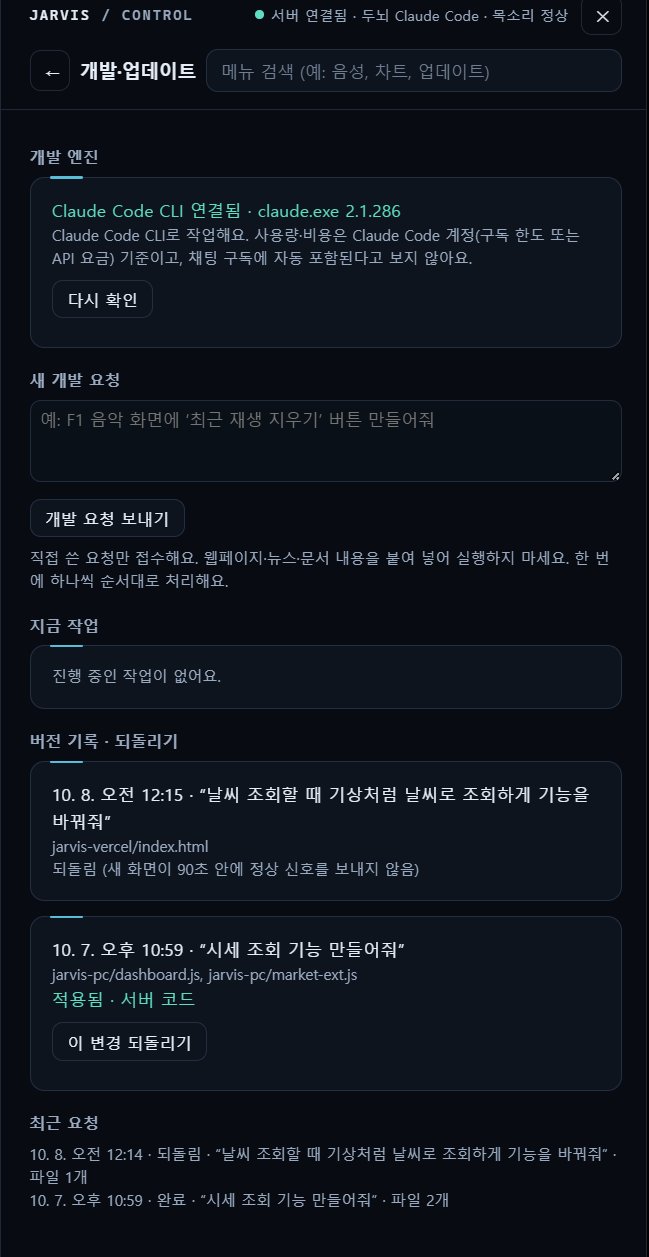
Haru is a general personal assistant, not a study-only app. Learning support is one area among several. Each feature shows its current status.
Voice conversationImplemented
Ask by voice, hear the answer.
Wake it with a wake word or a double clap, or switch on always-listening and just talk. Speech is transcribed on the PC with faster-whisper, and replies are read aloud in a voice generated on the user's own GPU. You can interrupt it mid-sentence. Follow-up conversation is still being improved.
wake worddouble clapbarge-inon-device TTS
InformationImplemented
The facts you need, fast.
Web search, weather and air quality, currency, Wikipedia summaries, holidays and tech news, all through real free APIs. Live facts come from tool results, not guesses.
Desktop actionsImplemented
Your PC, by voice.
It launches registered apps, sites and games, opens sites in your logged-in Chrome profile, plays YouTube or Spotify music, and handles do-not-disturb, in-app notes and window layout. Common commands are handled instantly by local rules.
Schedule, notes and memoryImplemented
It remembers so you don't have to.
Save an event by voice and it reminds you 10 minutes before and at the start. It reads your phone calendar (ICS) for briefings and keeps memory on this PC. Writing to external calendars and server-side long-term memory don't exist yet.
Markets and alertsImplemented
Analysis only, never trades.
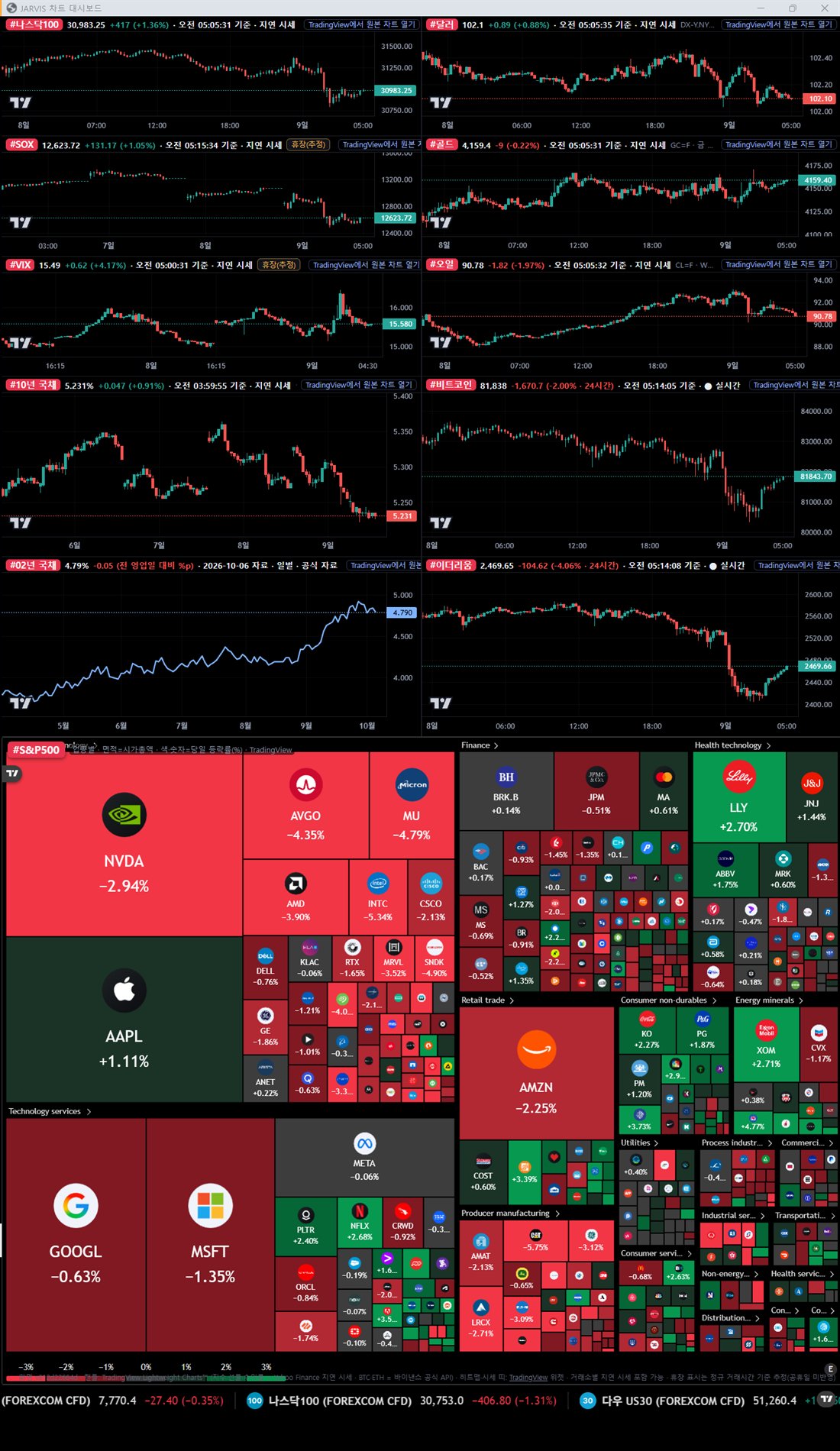
Chart wall, economic calendar and news, order-flow and quant analysis, Bitcoin on-chain data and pension-fund disclosures. Price and deadline alerts are checked by code, not a model. No performance claims.
Study materialPrototype · being verified
Lectures into review material.
Class mode (silent marking and a sourced review) is implemented on the PC. A study helper built as a Claude artifact makes notes, practice questions, flashcards, mind maps and PDFs. So far it has only been tested with stub responses.
Recording and transcriptionPrototype · being verified
A lecture recording page.
A separate page with recording, local recovery, Groq Whisper transcription and timetable recognition. It isn't deployed yet and hasn't been verified on a real iPad or with real model responses.
Account connectionsPlanned
Safe links to your own accounts.
Per-user sign-in comes first. After that comes connecting email, calendar and Notion accounts the user approves. Today the prototype is protected by a single shared password, so sign-in has to change before any personal accounts are linked.